Showing posts with label 'cheese'. Show all posts

Friday, 2 October 2015

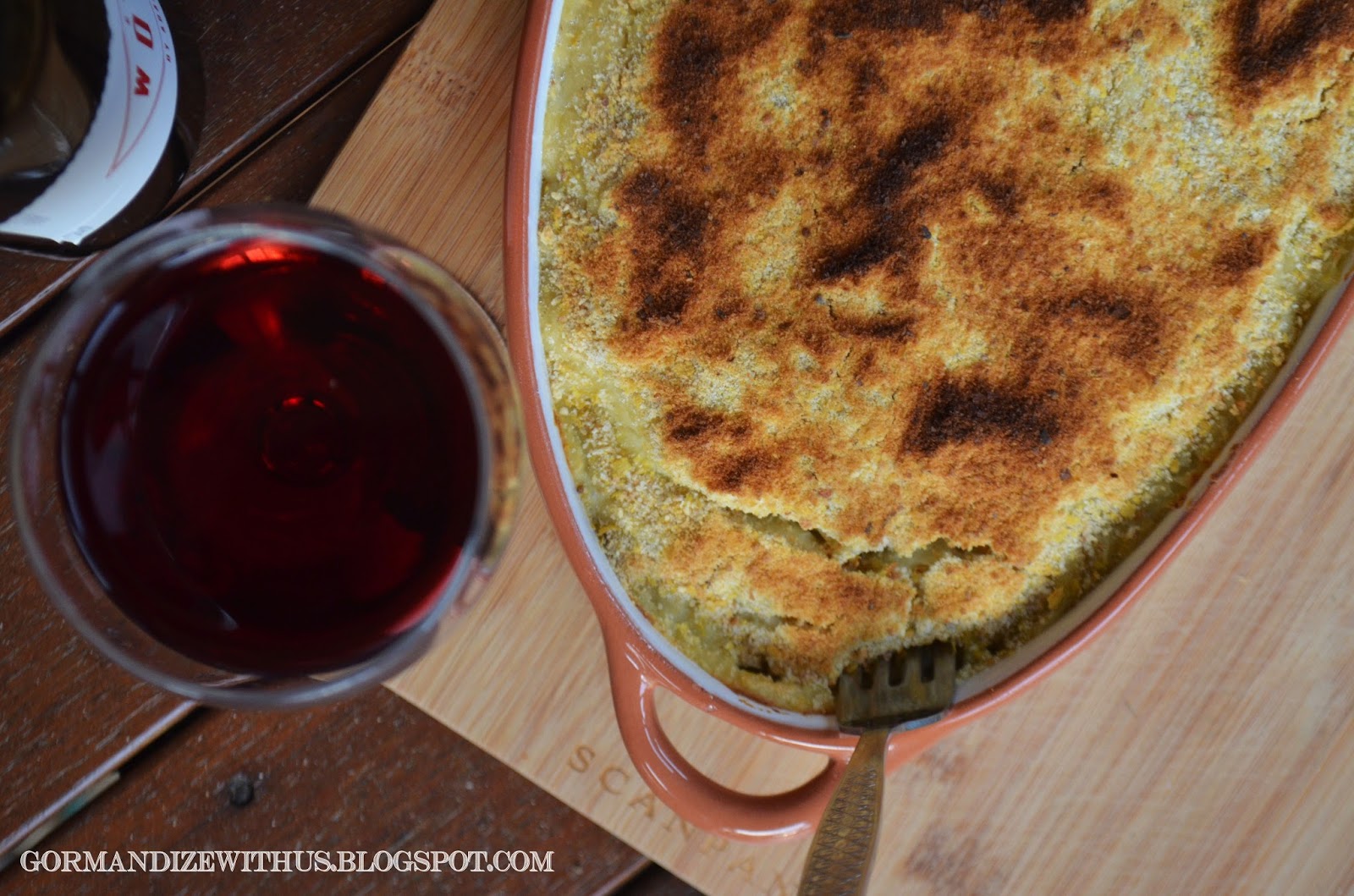
Vegan Cauliflower Cheese


Cauliflower cheese is a bit of a household classic in any Australian home and, I imagine, any other country with a strongly British-influenced cuisine! This next month or two I'm going to be featuring dished from the United Kingdom, and I thought cauliflower cheese was a great way to start. It might sound like a bit of a contradiction to make vegan cauliflower cheese, but really, the key to cauliflower cheese is white sauce rather than cheese itself. If you're not a vegan, feel free to top with some grated cheese for an actual 'cheese' experience. To be honest though, this recipe tastes exactly like the cauliflower cheese that I used to eat as a child so I don't actually think the cheese is necessary.

For a good vegan white sauce, I prefer not to use soy milk because it has such a strong flavour which can dominate the mild creamy sauce. Any mild flavoured milk substitute should be fine, I prefer oat milk but almond milk would work well too.


Vegan Cauliflower Cheese

Ingredients
1 cauliflower, cut into florets
1/2 cup nuttelex (or other vegan margarine/butter)
2 onions, finely diced
3 garlic cloves, minced
3/4 cup plain flour
1/2 cup vegetable stock (hot)
2 1/2 cups unsweetened oat milk (or rice/almond milk)
1 tbsp lemon juice
2 tbsp nutritional yeast
Salt and pepper, to taste
3/4 cup breadcrumbs mixed with 1 tbsp nutritional yeast

To Make
1. Parboil the cauliflower until only just tender and then drain and transfer to a large baking dish. Preheat the oven to 180 degrees C.
2. Melt the margarine in a medium saucepan and then add the onions and garlic. Cook until softened and translucent.
3. Add the flour and stir vigorously to make a roux. Gradually add the hot vegetable stock, stirring as vigorously as you do to keep the roux smooth. Once all the vegetable stock has been added, start adding the oat milk, also gradually and while stirring.
4. Once all the milk has been added, stir the roux over a low heat and add the lemon juice and the nutritional yeast. Season to taste with salt and pepper (you probably wont need to add salt, as vegetable stock is usually already very salty). 
5. Pour the white sauce over the top of the sliced caulifower and smooth over evenly. Top with bread crumbs and cover with foil. Bake for 20 minutes and then remove the foil and bake for just long enough for the breadcrumbs on top to get lightly browned and crispy (you can switch your oven to the grill setting for this, in which case it will only take a few minutes). 

Serve as a side dish or as a main accompanied by some steamed green veggies.


Friday, 20 December 2013

Pizza de Brigadeiro (Brazilian Chocolate Pizza) with Fresh Strawberries & Cream Cheese


I've always been somewhat enchanted by the idea of a chocolate pizza, although I had never made one before I made this. It seems that dessert pizzas are very popular Brazil - even their fast food pizza franchises offer sweet pizzas. I read online that Dominoes in Sao Paolo has a chocolate pizza and a banana pizza, so dessert pizza was definitely high on my list of things to try this month.

The dough recipe makes enough dough for 3 big pizzas, but the topping quantity is just for 1 pizza. So you can freeze the other 2/3 of the fresh dough, or use it to make a couple of savoury pizzas for dinner to go with your dessert pizza. The toppings are completely rich and decadent, so you'll probably only need one slice!

The one thing I don't know though - is whether Brazilians eat them hot or cold? I googled it and couldn't find any answers, so I served mine cold for convenience. I think it would be really nice either way though. Any Brazilians out there want to enlighten me?


Ingredients

Pizza Dough
2 tsp dried yeast
1/2 cup warm water
2 tbsp olive oil
2 cups room temperature water
1kg plain flour
1.5 tsp salt

Brigadeiro Topping
400ml vegan condensed milk
3 tbsp cocoa powder
1 tbsp margarine
1 punnet strawberries
Vegan cream cheese
Chocolate sprinkles

To Make
1. Whisk the yeast with 1/2 cup of warm water and set it aside for 10 minutes until foamy on top.
2. Add the 2 cups water & olive oil and whisk to combine. Then add the salt and all the flour, mixing gently. Flour up your hands and start mixing the dough with your hands until it comes together. It should be dry enough not to stick to your fingers, wet enough to stay together in a ball. If you need to, add more flour or water to get it to the right consistency.
3. Flour a benchtop and turn the dough out. Knead for 10 minutes, at which point the dough should be smooth and springy to touch. Wash, dry and lightly oil the mixing bowl. Return the dough ball to the bowl and cover tightly with plastic wrap. Leave in a warm spot to rise for 2 hours. Preheat the oven to 180 degrees C.
4. After 2 hours, punch the dough down and cut into 3 pieces, if you're saving the other two then wrap them up in plastic wrap and freeze them. Roll one piece out into a big flat disc and place on an oiled baking tray. Bake for 10-15 minutes, until lightly golden on top. Take out of the oven and set aside.
5. Whisk the condensed milk and cocoa powder in a pan and put it over a medium heat. Cook for about 10-15 minutes, until the mixture thickens and starts to pull away from the edges of the pan. Remove from the heat and stir the margarine through.
6. Spread over the pizza base. Top with slices of cream cheese and wedges of fresh strawberries. Sprinkle the edges with chocolate sprinkles. Serve hot or cold.

Also part of the Vegan Virtual Linky Potluck.


Wednesday, 20 November 2013

Blood Orange Curd Vegan Cheesecake Tart


Sometimes things just come together even better than you had ever imagined. I had an imagine in my mind of this tart and I was pretty sure it was going to taste great. What I wasn't prepared for was it turning out to be probably the best thing I have ever eaten. I'm not even joking. The pastry is light and super crumbly, the cheesecake filling is soft, luscious and creamy, the orange curd it tangy and melts in your mouth, and the candied blood orange slices not only look beautiful but add the slight bitter sweetness of candied peel (because, yes, you can eat the peel and, yes, it's delicious!).

I had originally planned to make this using only blood oranges, a blood orange curd with candied blood oranges on top. Foolishly, I didn't think this through and I only bought 2 blood oranges. When I realised that I would need more, I went back but they were sadly sold out at my fruit shop. So I made the curd using a regular naval orange and used the blood orange slices as the candied garnish. I actually think it's rather lovely because of the bright colour contrast, but if you have plenty of blood oranges then feel free to substitute blood orange into the curd as well, I'm sure it will be amazing.


There are four separate parts to make for this tart, but they are all quite straight forward so it's not too hard and it doesn't actually take too long. It's also conveniently no-bake, so just pop it in the fridge once you're done and it's ready to go. You could also make this in a round cake tin as a cheesecake, but I would recommend doubling everything and probably tripling the cheesecake filling.

Blood Orange Curd Vegan Cheesecake Tart

Ingredients
250g light digestive biscuits (or other plain vegan biscuits)
2 tsp orange zest
1/4 tsp cinnamon
1/2 cup nuttelex (or other vegan margarine), melted
150g vegan cream cheese
2 tbsp marmalade
2 blood oranges
1 cup sugar
1 cup water

Vegan Orange Curd
Zest of 1 orange (hint: zest before juicing!)
1/2 cup fresh orange juice (should be about 1 naval orange)
3/4 cup coconut milk
3 heaped tbsp cornstarch
1/2 cup sugar
1/4 tsp turmeric (just for colour, if you make with blood oranges then leave this out)

To Make:
1. Process the biscuits in a food processor until they become crumbs. Transfer to a mixing bowl and add the zest, cinnamon and melted margarine. Mix well.
2. Lightly grease your tart tin and then tip the biscuit crumbs in. Use your fingers to firmly press it up onto the sides of the tin to create an even later. Then spread out the remaining crumbs over the base and press down firmly with your fingers to create an even base.
3. In a bowl, whisk or beat together the vegan cream cheese and the marmalade. Spread evenly over the biscuit base.
4. Now set that aside and make the curd: Combine all the curd ingredients in a small saucepan and whisk well to combine. The cornstarch will be lumpy at first, but if you keep whisking the lumps with go (it's ok if there are just a few remaining, they'll cook out). If you want to avoid all that whisking then I guess you could use a blender.
5. Place the small saucepan over a medium heat. Whisking constantly, heat it for about 2 minutes - or until the contents of the pan are hot but not simmering or boiling (if it starts to simmer, reduce the heat immediately!). Once hot, reduce the heat and continue stirring for another 3-5 minutes. The curd will thicken suddenly quite a lot. Once this happens remove from the heat (still stirring) and pour straight onto the cream cheese layer. Use a knife to spread it out and smooth it over the top.
6. Heat the cup of sugar and the cup of water in a saucepan until dissolved. Thinly slice the whole blood oranges and simmer the slices in the syrup for about 5 minutes (you may need to do this in batches). Use these slices to decorate the top of the tart and then drizzle about 1-2 tbsp of the syrup over the top.
7. Place in the fridge for at least half an hour before serving.


This post is part of the Sweet Adventures Blog Hop. I haven't participated for a while in the SABH, so I thought I should get back in the swing. This month's theme is 'Cheese' desserts, which I'm sure will have some interesting submissions! You can check out the other entries below.

Saturday, 16 November 2013

Beetroot & Vegan Feta Cheese Fugazza (Focaccia)


Good afternoon all! Today is a very special day, it's the biannual Vegan Virtual Potluck! It's so much fun to see what everyone has brought to the potluck, even though it takes me a good couple of hours to sit down and go through all the blogs that participate each time. A big shout out to all the great bloggers, especially Lidia & Annie, who work really hard behind the scenes to get such a huge logistical event working! I'm happy to be a volunteer on this potluck, doing my little bit to get it all together.

A quick note before I get onto potluck business! If you're new to my blog - welcome! I hope you'll really enjoy yourself, there are more than 200 recipes to browse through. You can use the recipe index above, or the labels on the side to look for particular ingredients or ethnic cuisines. You can also follow me on Twitter, or on Pinterest or by liking my page on Facebook. Today I'm starting to share with you a special "12 Days of Easy Edible Xmas Gifts" series on my facbook page, each day will be a new & interesting idea for a vegan home made edible gift and I promise you that there will be some you've never through of before :)


Enough of that though! On with the potluck. The potluck is split into categories, and I've been trying to go in a new category every time. This is my third potluck, my first potluck I went in 'Desserts' and made this Choc Banana Ice Cream Pie (Vegan & Sugar Free!). My second potluck I thought I'd try my hand at 'Beverages' so I made a Turkish Delight Martini.  For my third time around I've signed up for 'Breads'.

In hindsight I don't know why I signed up for breads, because I've been recently eating a lot less bread and have managed to lose 3kg because of my healthy kick. So, I realised that if I was going to make a bread-y thing for this potluck I would have to invite some friends over to help me eat it! I did, and they loved it!


This recipe was inspired by the Argentinian Caramelised Onion Fugazza which I made for Argentina Month on the blog. It's a symbol of the strong Italian influence on Argentinian cuisine, because it's essentially a focaccia. I was so happy with how my Caramelised Onion Fugazza turned out that I knew I would be experimenting with in the future. For this special Virtual Vegan Potluck Version, I've used marinated beetroot and my special home made Vegan Feta Cheese.

Beetroot & Vegan Feta Cheese Focaccia

Ingredients
1 cup warm water
2 tsp yeast
2 tsp sugar
2 2/3 cup plain flour
1 tsp salt
8 tbsp olive oil, divided
2 large beetroot, peeled and chopped into wedges
2 tsp wholegrain mustard
1 tbsp balsamic vinegar
1 onion, peeled and sliced
1 tbsp brown sugar
1 tbsp white wine vinegar
3-4 sundried tomatoes, cut into strips
1 cup Vegan Feta Cheese cubes (unbaked)

To Make:
1. Combine the warm water, sugar and yeast in a bowl and set aside for 5-10 minutes, until the mixture is frothy on top.
2. Combine the flour and salt in a mixing bowl. Add 5 tbsp olive oil and the yeast mixture and mix to form a dough. It should be soft and pliable, but not sticking to your fingers. If it's too wet add a bit more flour, if it's too dry to hold together add a little more water.
3. Turn the dough out onto a floured benchspace and knead for 10 minutes (set your oven timer and put on some good music to sing along to).
4. Lightly oil the mixing bowl and return the ball of dough to it. Cover with cling wrap or a tea towel and leave in a warm place to rise for 45 minutes (or until doubled in size). In the meantime you can preheat your oven to 180 degrees.
7. While the dough is rising, boil the beetroot slices until just tender, and place in a bowl with the mustard and balsamic vinegar. Toss well and set aside until you need them.
6. Once risen turn the dough out and punch down into a smooth ball. Oil a round pan with 2 tbsp olive oil and place your ball of dough in the centre. Gently flatten the ball out into a disc with your fingers. You'll get to a point where you can't stretch it any further without it springing back. When you get to this stage just set is aside and let it rest for 10 minutes (while it's resting you can chop up your onions).
7. After 10 minutes the dough should have relaxed, allowing you to spread it out further. Keep doing this until the dough covers the whole pan and reaches the edges (you may have to rest it again before you can get it the full diameter).
8. Heat 1 tbsp olive oil in a fry pan and saute the onions until softened. Add the sugar and vinegar and cook for about 5 minutes.
9. Spread the onions over the the base and top with the beetroot slices, sundried tomatoes and the cubes of Vegan Feta Cheese. Drizzle with a bit of the oil from the jar of sundried tomatoes.
10. Bake for 15 minutes, or until the edges become golden brown. Remove from the oven, slice and serve up.


This is the virtual vegan potluck, which is so much fun so make sure you check out everyone else's posts too!

To start from the beginning and work your way through head to the very first blog in the chain by clicking right....... here. If you've already worked your way through all the recipes before me then I hope you're enjoying all the dishes. I can't wait to sit down with a cup of tea and go through them all!

What's next in breads? Time to move on to the next Potluck Offering. 


Hit this button to go to the previous post by Bite Me, I'm Vegan, or click here:


Hit this button to go to the next post by In Pursuit of More, or click here:


Friday, 15 November 2013

Vegan Tofu Feta Cheese Recipe


I invented this simple but very tasty Vegan Feta Cheese recipe quite a while ago, but I thought I would post it now as a reference recipe, because it is so versatile. This tofu feta is just like eating a firm salty feta, like the kind most people eat in Australia - I don't know much about the history of feta, but we call this type of feta Australian feta and it's my favourite type. Much lighter and tangier than the thick and creamy Danish feta, it's perfect for salads, wonderful in pies and divine sprinkled on pizza.

My vegan version is quick to prepare and you can make it either in cubed form or in crumbled form. I found that baking the tofu after marinating really brought out the tangy flavour and gave the tofu a really great chewy cheesy consistency, so I've included instructions for baking. If you're putting it on a pizza or a focaccia, you don't need to bake it first. Just put it straight on and it will bake when you're cooking the pizza anyway.

This recipe makes a big batch, so you can halve it if you like. Or you can keep half of the tofu marinating in the fridge and then just bake it on the day you want to use it. In fact, I have some unbaked tofu feta sitting in my fridge right now just waiting to be baked and tossed in a salad.


Ingredients
600g hard tofu
Juice of 1 lemon
4 large cloves garlic, crushed
2 tsp salt

To Make:
1. First, gently squeeze as much liquid out of the tofu as you can.
2. If you want to make cubed feta, chop the tofu up into cubes and place in a bowl. If you want crumbled feta then crumble it roughly with your hands into a bowl.
3. In a small bowl, combine the lemon juice, crushed garlic, and salt and mix well. Add the the tofu and toss to coat. Now you can taste and decide if you think it needs to be more salty or more sour - if you think it does, add more salt or more lemon juice accordingly.
4. Set aside to marinate, stirring or tossing regularly. If you're making cubed feta, you'll need to let it marinate for about 20 minutes, if your making crumbled then 10 should do.
5. Spread it out on a lightly oiled baking tray and grill or bake in the oven for 5-10 minutes at 170 degrees.
6. Remove and cool. Use however you like!

This tofu feta will keep, baked or unbaked for several days in the fridge.


Recipes using my Vegan Tofu Feta Cheese:


Thursday, 22 March 2012

Bosnian Spinach and "Cheese" Plait


Simple and spectacular! Nothing says "I'm a culinary whizz" like a plaited pastry (either that or you're a smug wanker who thinks too highly of herself, K-bobo). Either way you are in for a tasty treat here and one that will super impress any guests you happen to have lying around. As I've commented previously (in this post on the subject), Bosnia turned out to be a real Spinach-and-Cheese kind of country - which provides an interesting challenge for a vegan cook. I sure had fun with it though! 


This is my second spinach and cheese pie recipe, in my first recipe I used a vegan home made baked almond feta which I found on another blog (see here). Overall, however, I found that cheese a bit heavy and creamy (and also VERY expensive to make - being made almost exclusively of almond meal). So this time I used my own home made feta which I devised for Croatia Month (January 2012) when I made my Croatian Pizzas. It made a much lighter filling, which was appropriate for this delicate little plait! The plait formation also makes it very easy to serve, just cut it up across the plaiting and each piece you cut will magically already be in three individual pieces - making it quick and easy to serve up at a dinner party. You will need a helping pair of hands to roll these up and plait them though!


Ingredients
6 sheets filo pastry (thawed if frozen)
1 small bunch spinach (silverbeet)
300g hard tofu (meaning it should be a solid blog which retains it's shape when you squeeze it)
Juice of 1/2 lemon
2 clove garlic
1 tsp salt
1/3 cup almonds, toasted (you can do this in the oven for a few minutes or in a dry fry pan)
1/3 cup walnuts
Pinch of nutmeg (optional)
Melted Nuttelex (or other non dairy butter or margarine)
Sesame seeds

To Make
1. Chop the spinach and place in a saucepan with 1/2 cup of water. Cover and let it cook on a medium heat until the spinach is completely wilted (about 10 mins). Drain the spinach and squeeze out all the water. Allow to cool.
2. Crumble the tofu with your hands into a bowl. Crush the garlic into the bowl and mix well. Add the salt and lemon juice and stir through. Taste test and see if it needs more salt or it needs a bit more sour (if so add a bit more lemon juice). Set aside for about 15 minutes to allow the flavours to infuse into the tofu.
3. Pulse the walnuts and almonds in a food process until coarsely ground, add a pinch on nutmeg.
4. Combine the cooled spinach, nuts and the tofu mixture in a bowl and mix well (easiest to do with your hands).
5. Lay you sheets of filo pastry out on the bench and cover with a slightly damp tea towel when not using. Melt the butter for brushing the sheets with.
6. Take 2 pieces of filo pastry and lay them on top of each other. Along the longest edge of the pastry spread out 1/3 of the spinach and tofu mixture:


7. Starting from the edge with the filling, roll the pastry up like a loooong cigar or sausage roll, use melted Nuttelex on the last inch or two of the pastry to make it stick and hold it together.
8. Repeat with the rest of the ingredients. You should now have three identical logs. 
9. Line a baking tray with non stick paper and place the three logs onto it. Brush each log with melted Nuttelex to make them easier to plait. Pinch them together at the top and space make plenty of space between each log to allow some room for the plaiting:


10. Starting from the log on the right hand side carefully plait the logs until you reach the end, it should only be a few plaits but try and keep them nice and tight. Pinch the other end together as well to keep it together.


11. Brush with a bit more Nuttelex and sprinkle with sesame seeds. Bake in a moderate oven for 20-25 minutes, until browned on top and the pastry is nice and crispy. Serve immediately!

Serves 4-5.

Thursday, 1 March 2012

Bosnian Zeljanica (Vegan Spinach and Cheese Pie)


Welcome to March at Gormandize with A-dizzle and K-bobo!! This month we will be featuring recipes inspired by Bosnian cuisine and we're getting off to a pretty special start with this great zeljanica. Firstly, a bit about Bosnia! Bosnia is often used singularly to refer to the country of Bosnia & Herzegovina, a European country bordering Croatia, Serbia and Montenegro. Due to it's close proximity to Croatia there are several dishes which overlapped with the foods we presented for Croatia Month (January 2012 - to see our wonderful Croatian recipes visit here!) Bosnia & Herzegovina is almost entirely landlocked except for a tiny 20 kilometres of coastline along the Adriatic sea. Bosnian food is largely Mediterranean but with strong Turkish and Middle Eastern influences.

Image from www.sitesatlas.com

One big thing to start with in Bosnian Cuisine is the prevalence of spinach and cheese pastries! There are many, many dishes of spinach and cheese pies, strudels, triangles, rolls and any other way you could possibly think of wrapping spinach and cheese in pastry!This delicious cheese and spinach pie was a challenge to adapt to veganism - but the result was well worth it. This pie uses 3 substitutes for dairy-based cheese: tofu, vegan feta cheese and vegan cream cheese. The vegan feta cheese I made myself using this recipe from Maple Spice, it made a very rich and creamy feta using almonds and lemon juice. This is what mine looked like after baking (I think I overcooked it slightly but it didn't seem to make any difference):


It was delicious but it wasn't very cheap to make and it was a bit heavy. I've personally always had a love of the slightly crumblier Australian style feta, and this feta recipe is a poor substitute for this. To address this I made my own feta recipe which is designed to be crumbled and used in salads and on pizzas and in pasta, see this recipe here for my vegan feta cheese.

However, the baked almond feta from maple spice works very well in this recipe as it adds a creamy nutty-ness to it. The other thing I should note about this pie is that it has a slightly fresh flavour which comes from the fact that the leeks aren't cooked before they are baked in the pie. This makes for a slight raw onion-y after taste which is perhaps not to everybody's personal taste. You should give it a try - as my partner said he thought that it was the best thing about the pie. However, if you don't like the sound of that then you can just lightly sauté the leeks before mixing them into the rest of the pie filling.

The other thing you should know is that this make a big mother of a pie - so invite some friends around to help you eat it!


Zeljanica (Bosnian Spinach and Feta Pie)

Ingredients
600g hard tofu (this is sometimes also called 'extra firm' tofu)
4 tbsp lemon juice
1 tsp salt
1 tsp cracked black pepper
1 cup crumbled vegan feta (I think you can buy this in some places but not where I live so I made my own almond feta using this recipe from Maple Spice)
1 leek, thinly sliced
1 big bunch spinach, trimmed and thinly shredded
230g vegan cream cheese (1 tub Toffuti)
50g whole pine nuts
Plenty of olive oil (or you can use melted vegan margarine if you prefer)
1 packet Filo Pastry sheets (I recommend using the one you can find in the cold section as opposted  to the freezer section, however, if using frozen then take them out of the freezer the night before and thaw them in the fridge completely before use)

To Make
1. Preheat your oven to 160 degrees C.
2. Crumble the hard tofu into a big mixing bowl (use the biggest one you’ve got – just makes it easier for you). Add the salt, pepper and lemon juice and mix well.
3. Add the leek, spinach and vegan feta and mix well to combine (you’ll need to mix pretty thoroughly as the spinach will want to be on top and the tofu will want to be on the bottom but you mustn’t let them!)
4. Add the cream cheese and mix well, this will take a bit of effort and you may find it easiest to just get your hands in there.

5.  Pour some oil into a ramekin or bowl and use a pastry brush to coat the bottom and sides of your baking dish (you’ll need a fairly big one - use the biggest one you own!).
6. Now, open the box of filo and spread it out, covering it will a slightly damp tea towel (note – not too damp! A good way is to wet your hands well and then dry them on the tea towel and then repeat this) to prevent it from drying out while you work.
7. Peel the first layer of filo off and line the bottom of your dish (don’t worry if it breaks up a bit or splits, you will be putting more layers over the top).
8. Brush the filo with more olive oil and then repeat with a second layer of filo. Continue until you have 8 layers of pastry.

9. Put half the spinach filling into the bottom of the pan and press down to make it even. Sprinkle with 1/3 of the pine nuts).

10. Layer another 5-6 layers of filo dough on top of the filliing.
11. Put the rest of the filling on top of this layer and flatten the top out. Sprinkle another 1/3 of the pine nuts on top. At this point if you have any ends of filo hanging over the dish you can either fold them into the pie or trim them (I usually fold them in because I don’t like to waste stuff).
12. Layer the top of the pie with another 6 layers of filo. Trim the edges neatly.
13. Decorate the top by taking the remaining few pieces of filo pastry, rip them into big pieces and scrunch them gently. Place on top of the oiled top of the pie in a way that looks pretty. Brush with olive oil and sprinkle the remaining pine nuts on top.

14. Bake for about 30 minutes, turning half way to ensure even cooking.  Keep an eye on it during the last 10 mins to make sure the edges don’t burn.
15. Remove from the oven and allow to stand for about 10 mins before serving (this will make it less likely to break up as you are serving it out).

Makes 1 big pie! Serves about 6.

Thursday, 9 February 2012

Cabbage, Pasta & 'Feta Cheese' Salad with Balsamic Mustard Dressing


Salads are super convenient and so fresh and tasty! However, I never recommend my patients to eat too many salads because they are very cold and can weaken your Stomach and Spleen Qi. Because salads are so cold and raw, the body uses up extra warmth and energy digesting them. In people with already weak Qi (due to poor sleep, prolonged or frequent illness or several other lifestyle factors), cold and raw foods can really exacerbate your weak Qi and make it difficult for your body to function properly. If you want more info on this you can read this previous post on salads. Despite this - I am a lover of salads and I never advocate cutting them out of your diet completely, in fact everything in moderation is the way I roll. So, there are three steps I usually take to mitigate some of the effects of salads:

1) Don't eat too many salads. Try not to eat salad every day (unless it is an accompaniment to a cooked meal). If you have salad for lunch then DON'T have salad for dinner.
2) Try to incorporate some cooked elements into your salad - lightly steaming carrots and broccoli before putting them into salads reduces their cold nature and makes it easier for the body to digest them. If you are eating cooked or steamed salads then rule one doesn't apply because you can eat them as often as you like! (Try my Marinated Tofu, Broad Bean and Broccoli Salad)
3) Drink a cup of green or herbal tea with or after your salad, this will help the Stomach warm and digest the raw vegetables you've just put in it!

This salad recipe takes all of these thing into consideration. It incorporates cooked spelt or soy pasta to help offset some of the cold aspects and it is recommended to be had with my delicious Cabbage-Is-My-Friend Tea. This tea not only warms the Stomach and aids digestion, but it also has a carminative effect so is perfect to have with the raw cabbage. In fact, this tea is so good for aiding and easing digestion that my partner now asks me to make it for him whenever he feels any slight digestive upset.


Ingredients
1 cup shredded iceberg lettuce
2 cups shredded green cabbage
2 vine ripened tomatoes, diced
1 green cucumber, diced
1 cup soyaroni or spelt pasta spirals
1/3 cup sunflower seeds
1/2 cup crumbled vegan feta (see this recipe for this delicious home made vegan feta)
2 generous tsp wholegrain mustard
1/4 cup lemon juice
1 tbsp balsamic vinegar
1 tbsp olive oil
Cracked Pepper to taste

To Make:
1. Preheat the grill/oven to about 180 degrees.
2. Cook the pasta according the directions on the packed (in my experience you usually need to cook for a minute or two less than the time listed on the packet to get it al dente). Drain and rinse with cold water. Set aside in a strainer to drain properly.
3. Combine the cabbage, lettuce, tomatoes, cucumber and pasta in a big mixing bowl and mix well.
4. Spread the sunflower seeds and the crumbled feta evenly over a baking tray and toast in the grill for about 3 minutes. Keep a close eye on it!
5. Remove from the oven and allow to cool.
6. Combine the lemon juice, olive oil, mustard and balsamic vinegar and stir well until they form a smooth dressing.
7. Add the toasted sunflower seeds, feta cheese and dressing to the salad and toss well. Eat immediately.

Serves 3.

Tuesday, 24 January 2012

Croatian Pizza (with "Kulen" and Vegan Feta Cheese)


I have certainly had such a great time digging around for amazing Croatian-inspired dishes to share with you this month. This particular one might seem a bit odd, I know, since you're all thinking "Pizza comes from Italy right?" - unless of course you're Croatian in which case you are probably thinking "Naša pizza je najbolja pizza na svijetu" (Ok - I used Google Translate for that so if you are Croatian and it doesn't make any sense I sincerely apologise). 

I have two people to thank in the creation of this dish - firstly my awesome and well-travelled friend Amy, who I asked for ideas on Croatian food since she had been to Croatia quite recently. She gave me the usual reply: "lots of seafood". Hmmm. But then she said something which surprised me quite a lot - she said that the pizza she ate in Croatia rivalled the pizza she ate in Italy. After this interesting conversation I jumped on that incredible resource - the internet - and did some reading. Apparently there is some contention among Italian and Croatian people as to whose pizza is superior. I have been to Italy and sampled some sensational pizzas, however, have not (YET) been to Croatia thus cannot provide any opinion. However, as Amy is neither of Italian or Croatian descent/allegiance I trust her opinion and thus thought I would try my hand at a Croatian-inspired pizza. 

The next step is of course..... what do I put on a Croatian pizza? I couldn't find much about this on the net so I was very lucky when I managed to have some great twitter conversations with the other important person in this story (a Croatian person!): Enola (@rhelune). Through these fantastic conversations I gleaned a few key ingredients to a Croatian style pizza. The first of them was "Kulen" - a spicy fermented paprika sausage. Obviously real kulen is out of the question for a vegan (and for an Australian, for that matter - as I am as of yet unaware of any underground market in imported Croatian sausages) but I figured I could make something replicating the flavours of this without too much difficulty. The other is ingredient was cheeses - Enola told me about Kaymak, which is a type of clotted cream. However, I thought I might try my hand at something a bit less heavy and remembered coming across quite a few Croatian recipes on the internet that used feta cheese. So - my challenge with this dish was to invent Vegan Kulen and Vegan Feta Cheese - both of which are featured on my Croatian Pizza below. I invented both from scratch and I'm very happy with how they both turned out - delicious!


Big, big thanks to Amy and Enola and I hope they like what I came up with on their suggestions! If you are Croatian or Italian please feel free to argue passionately about whose pizza is better in the comments section below :)
Ingredients:
Kulen:
3 vegetarian sausages, thinly sliced
1 heaped tablespoon smoky paprika
1 tsp hot paprika
1 tsp soy sauce
1 tsp water
3 cloves garlic, crushed

Feta Cheese:
125-150g hard tofu (that means it should NOT be in a punnet and should retain it's shape completely when you squeeze it)
Juice of 1/2 lemon
1/2 tsp salt (or more to taste)
2 cloves garlic, crushed

Pizzas:
6 small thin crust pizza bases (I like these because you don't have to cut the pizza up at all - just pick it up and eat it! But you can make this on a larger pizza base of course)
12 tbsp passata (or tomato paste for a richer tomatoey flavour)
Baby spinach
5-6 mushrooms, sliced
5-6 cherry tomatoes, sliced
Olive oil, to drizzle

To Make
1. To make the Kulen: Combine all ingredients in a bowl - mix well and set aside while you prepare the rest of the ingredients so that they can marinate (try to leave for at least 15 minutes - but longer is greater).
2. To make the Feta: Squeeze as much of the water out of the tofu as you can and crumble it into a small bowl. Add the lemon juice, salt and garlic and mix well. Taste test - it should be nice and salty and sour. If it is not salty enough add more salt, if it is not sour enough add more lemon juice. Set aside for at least 10-15 mins while you prepare your other ingredients.


3. To assemble: Place the pizza bases on a lined baking tray. Spread 2 tbsp passata on each base.
4. Layer the ingredients on: first the baby spinach, then the mushrooms, then the tomato, then the kulen. 
5. Finally, grab a small handful of the feta cheese and sprinkle it in the middle of the pizza. Drizzle with a little olive oil.
6. Bake in the oven at about 180 degrees celcius for about 10-15 minutes, or until the crusts are nice and crunchy and the feta cheese is slightly browned on top. This will vary depending on the type of bases you buy and how hot your oven is - so keep an eye on them.

This is what they looked like before baking.

Makes 6 mini pizzas (serves 3).


Check out our other Croatian Recipes:
Poppy Seed and Almond Kolache
Yumuşacık Poğaça
Paprenjaci (Cracked Pepper Biscuits)
Posna Sarma
Makovnjaca (Poppy Seed Strudel)